
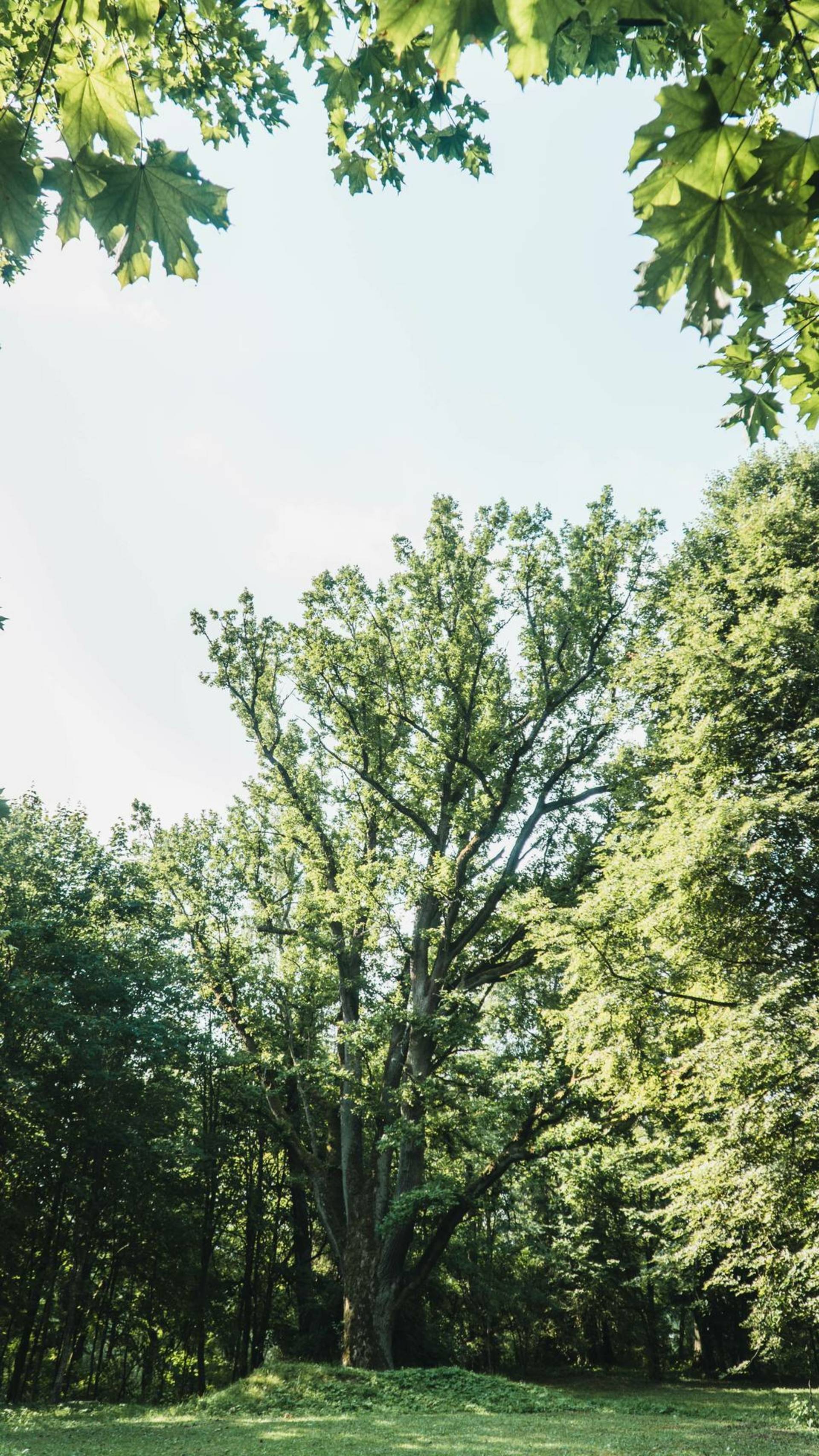
Kazitiškis Oak is a protected, exceptional oak, a natural heritage site, located in the Ignalina district, in the village of Kazitiškis. The oak grows in the manor park, near the Kazitiškis eldership building (100 m deep into the park). The oak's circumference is 4.45 m, height is 29.9 m.
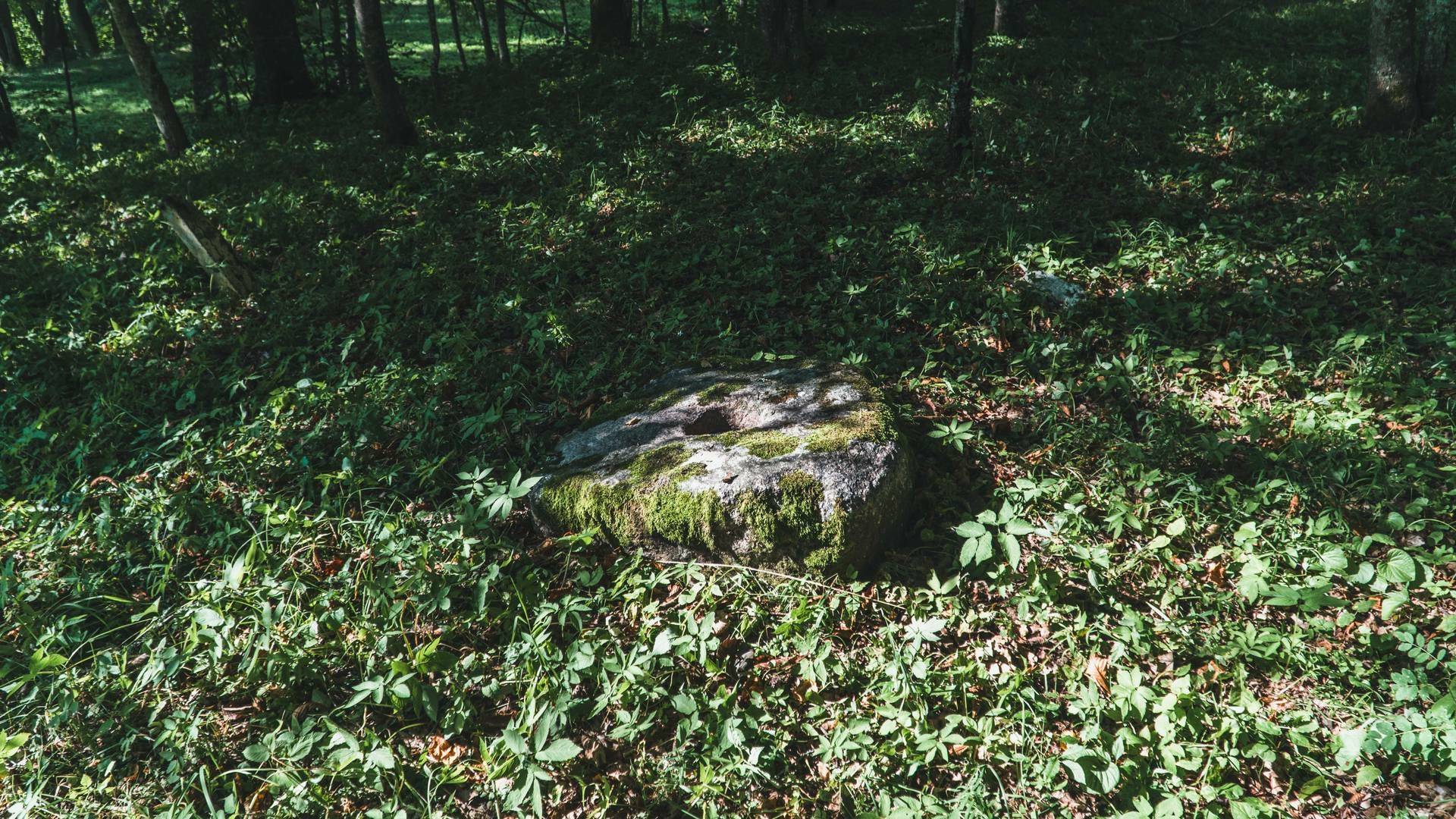
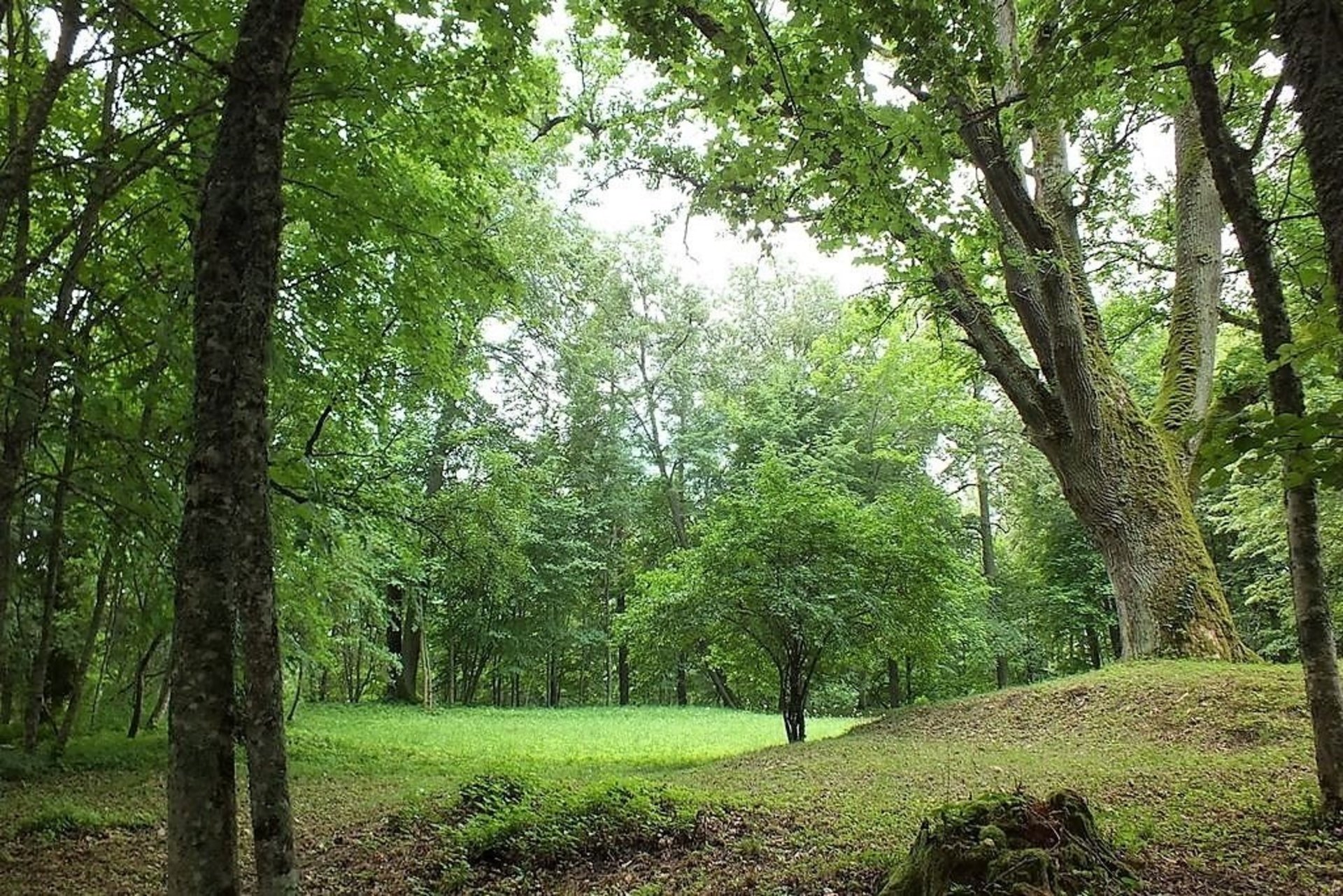
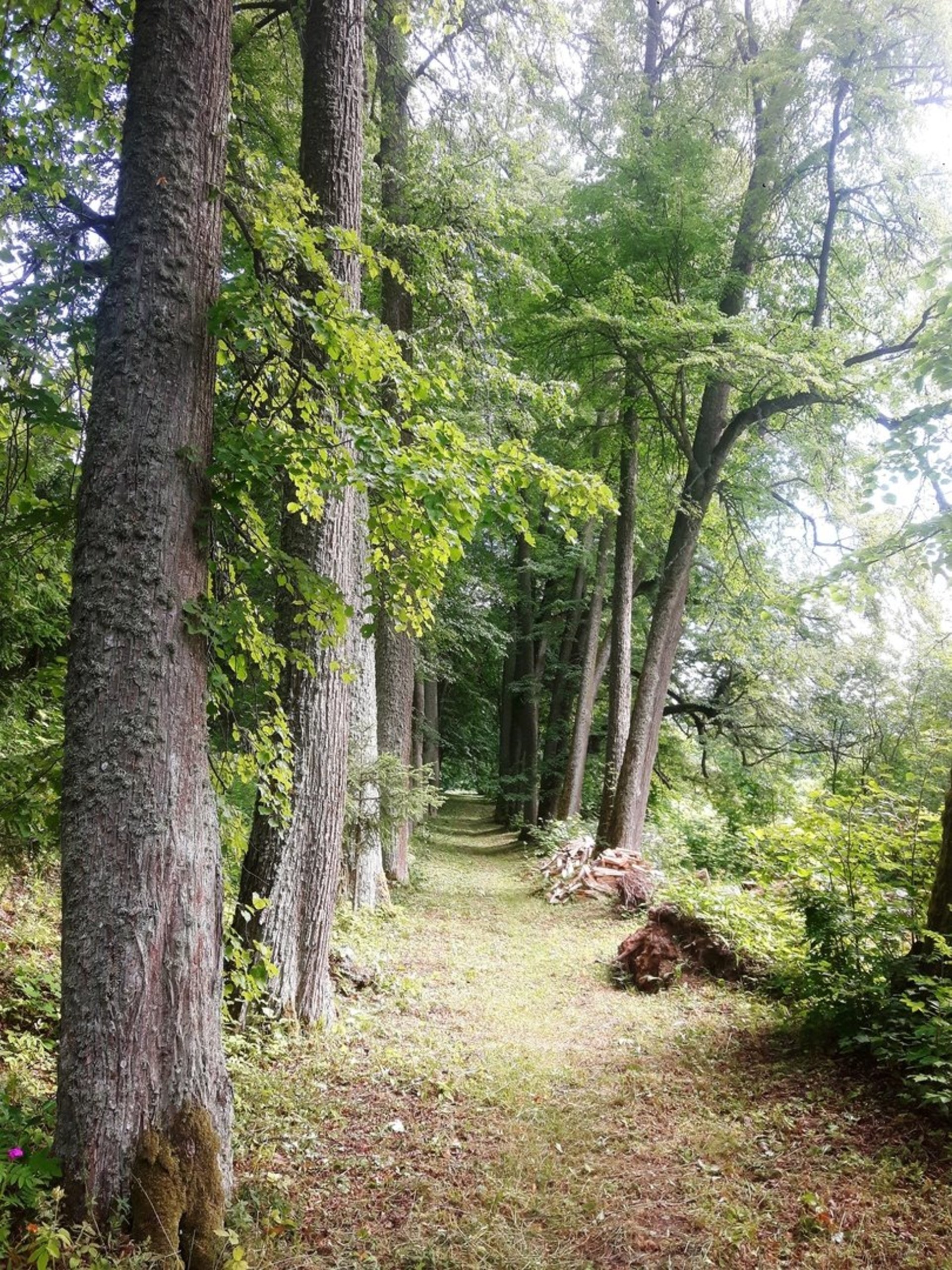
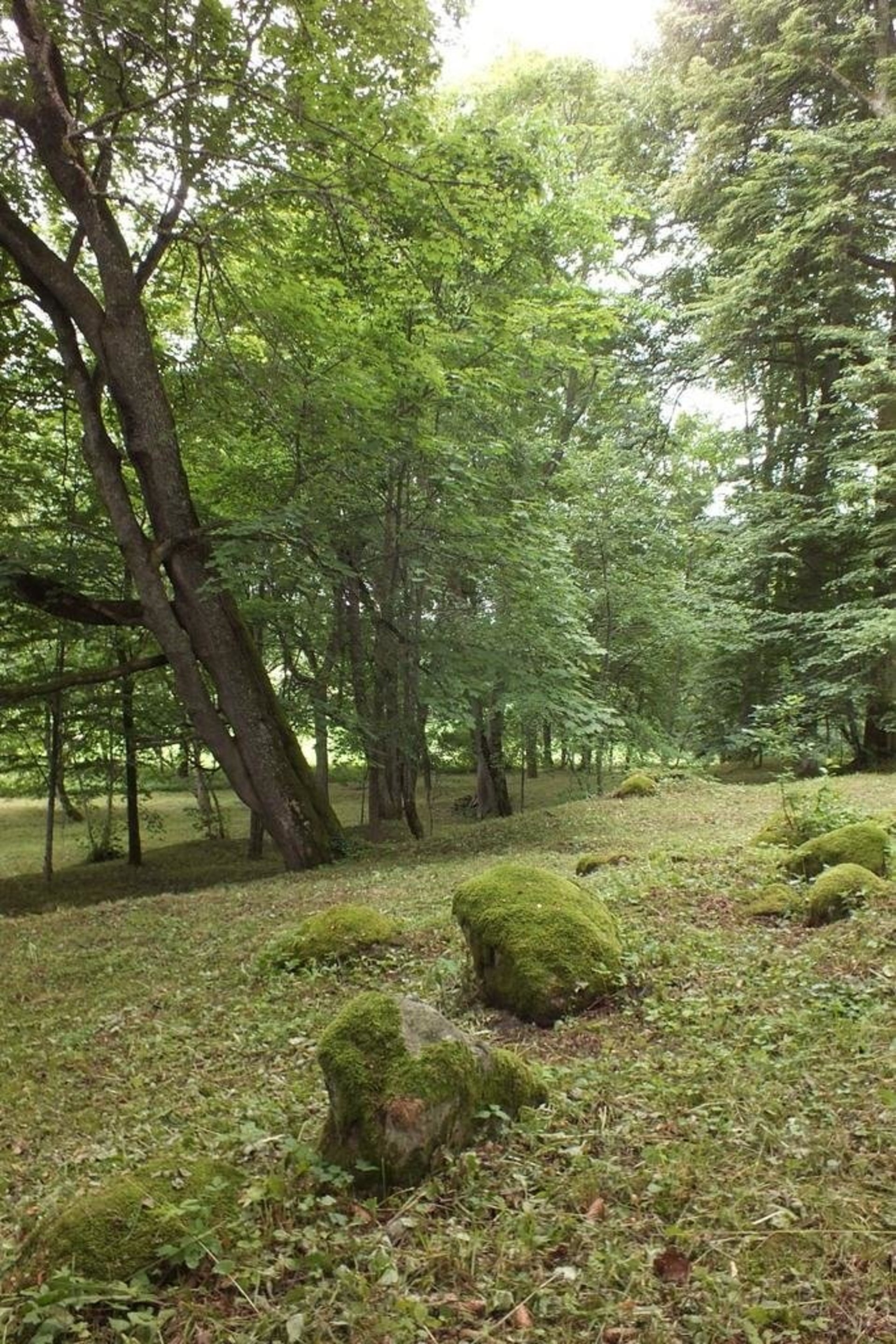
In the southwestern part of the village of Kazitiškis, by Lake Gilučis, there was a manor house, known since the 17th century. The Radiecki-Mikuliči family did not strive to build an ornate palace, but consistently, according to the project, shaped the territory of the estate, built farm buildings that were surprising in their solidity, durability of structures and decorative elements. Next to the manor house is a park – a natural monument of local significance. The park was founded in the 19th century, covers an area of 4 hectares. It descends to the Gilučis Lake with impressive five terraces. There are many alleys in the park. The most interesting is the western thuja alley to the fields towards Marijanavas. There are many trees (15 species) and shrubs (17 species) that are not typical for this region here, an old oak tree grows (trunk diameter about 1.2 m), and near it is a stone with a depression.
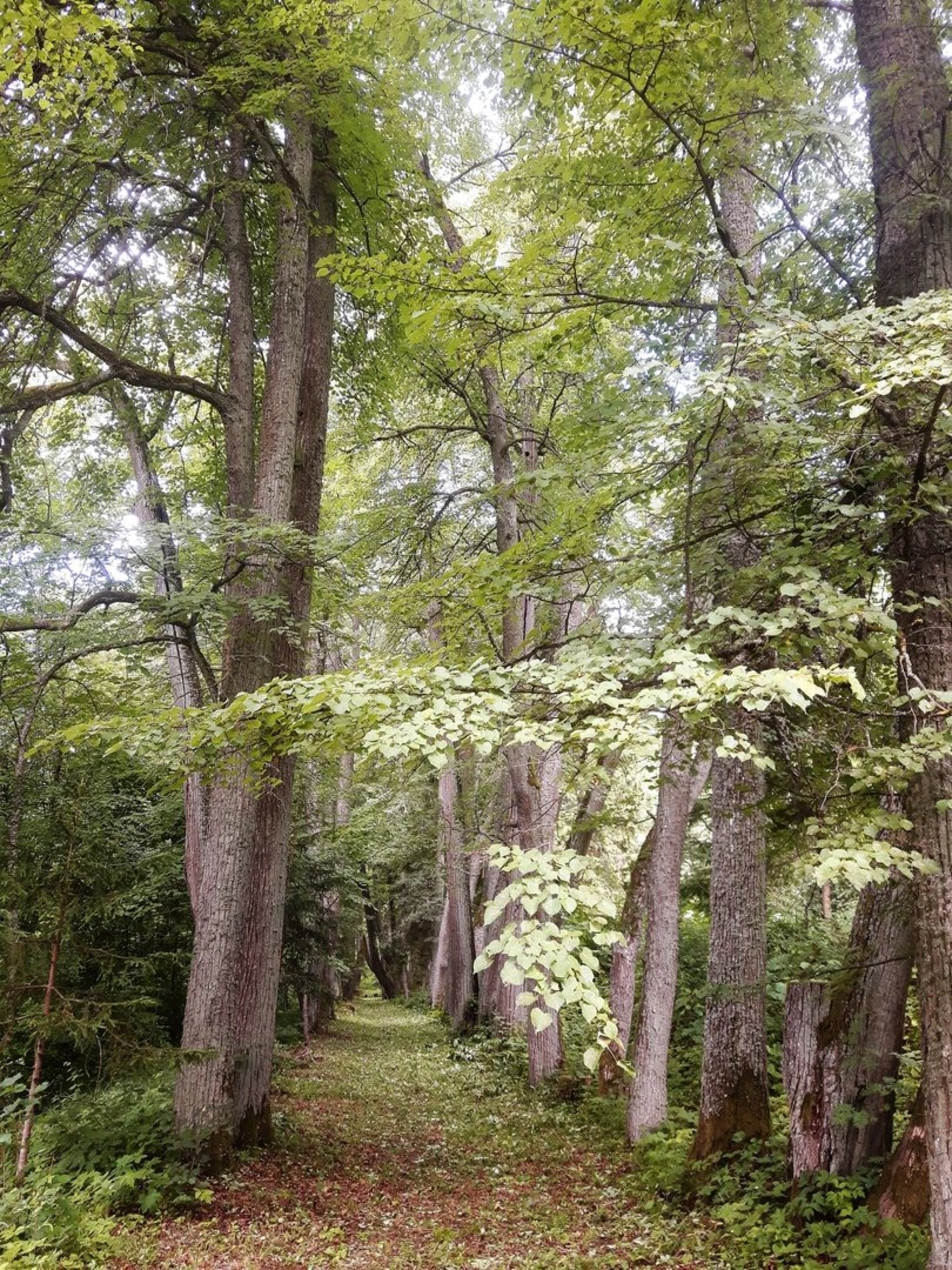
The park was established during the Mikulski family's ownership of the estate. The park currently has a more pronounced spatial structure, poor in plants, but is valuable for another reason. It is one of the few geometric terraced parks in Lithuania. The main path running along the park starts from the access road in the northern part of the park and leads along the slopes of the terraces to Lake Gilučis on the lower terrace. A beautiful alley of small-leaved linden trees has survived here to this day. The park has many old, powerful local trees - oaks, ash trees, maples, mountain elms. The common oak growing on the upper terrace looks especially impressive, with a trunk diameter of about 120 cm and a height of 26 m. Among the exotic trees and shrubs, of which 19 species and forms grow here, it is worth mentioning the handsome European larches, western thuja and its spherical form (Thuja occidentalis 'Globosa'), large-leaved lindens, gray poplars, common and Hungarian lilacs, garden snowdrops, nursery jasmines, yellow pea trees, white-flowered viburnums... Perhaps the most powerful is the old gray poplar, whose trunk diameter is 120 cm and height is 28 m. A barn, a barn, and a granary have survived on the park's territory. In 1986, Kazitiškis Park was declared a natural monument of local significance.
Information updated 2025-12-12
Reviews